The signature method

The Physio-Qi Method — physio-designed Tai Chi & Qigong.

The Physio-Qi Method — developed by GC Integrative physiotherapist Gary Chen — is physiotherapist-designed Tai Chi & Qigong-informed therapeutic movement for balance, breath, body awareness, strength and movement confidence.

Western science. Eastern movement. One method.
Balance confidenceGentle strengtheningBreath awarenessBody awarenessMobilityFalls-risk support
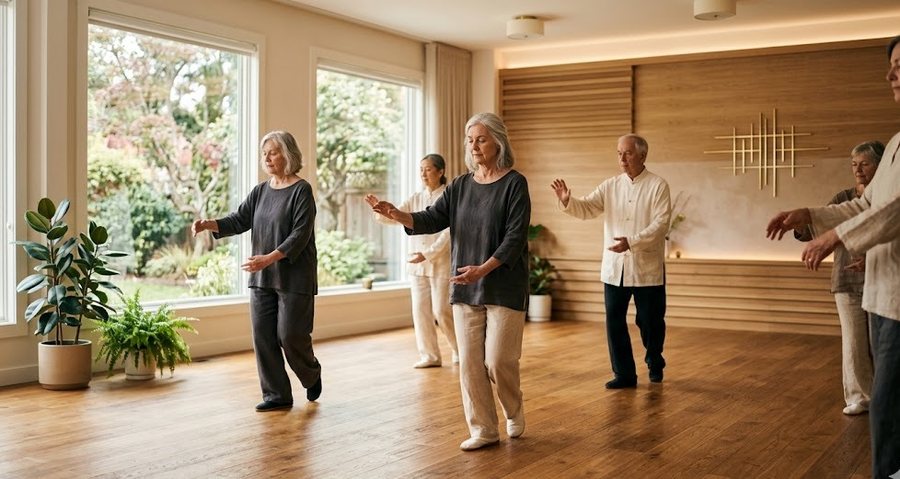
Older adults practicing gentle Tai Chi and Qigong-informed therapeutic movement in a warm studio
Representative · 示意圖

Physio-designed Tai Chi & Qigong-informed therapeutic movement.

The Physio-Qi Method treats both structure (movement, strength, load) and regulation (breath, balance, body awareness), together, as one.

It is designed for accessible delivery across facilities, retirement villages and community settings, at every mobility level, seated, supported or standing. It is physiotherapist-led and evidence-informed, never a stand-alone treatment and never mystical.

Balance confidenceGentle strengtheningBreath awarenessBody awarenessMobilityFalls-risk support

Science is the language. Integration is the method. Freedom is the goal.

Clear by design

What Physio-Qi is — and what it is not.

What it is

  • Physiotherapist-designed therapeutic movement
  • Tai Chi & Qigong-informed, translated into clinical language
  • For balance, breath, body awareness, strength & movement confidence
  • Clinically reasoned and safety-screened
  • Adaptable for older adults and every mobility level

What it is not

  • A casual Tai Chi class only
  • Qi treatment or energy healing
  • A cure for disease, or a dementia, psychiatric or trauma treatment
  • Guaranteed fall prevention
  • A replacement for individual physiotherapy assessment

Who it’s for

Gentle, adaptable, and built around the person.

Older adultsSteady, confident movement
Balance concernsSteadiness & falls-risk awareness
Low movement confidenceReturning to activity
Village residentsGroup & community movement
Aged-care residentsDocumentation-ready programs
Gentle-movement needsLow-threat, paced practice
Seated / supportedEvery mobility level
Groups & familiesLearning together

Seated, supported, standing — we meet you where you are.

Seated

Gentle movement, breath and upper-body work from a chair.

Supported standing

Standing practice with a chair, rail or support for confidence.

Standing

Balance, weight-shift and slow, flowing movement, unsupported.

Progression

Graded challenge for higher-functioning participants.

Evidence-informed outcomes — what Physio-Qi may support.

  • Balance confidence
  • Falls-risk reduction support
  • Gentle strengthening
  • Mobility
  • Breath & body awareness
  • Movement confidence
  • Social participation
  • General cardiopulmonary conditioning
  • Pain modulation support
  • Quality of life
Research on Tai Chi and Qigong-informed movement has shown promising support for balance, falls-risk reduction, strength, mobility, breath regulation, cardiovascular conditioning, pain modulation, confidence and quality of life. Individual results vary. Physio-Qi is delivered as physiotherapist-designed therapeutic movement, not as a guarantee of outcomes.

The six-stage clinical cycle.

The GC Health Model guides care from easing protective tension to handing back the confidence to self-manage. We return deeper only when clinically needed.

ReleaseRegulatePre-PatternBalanceIntegrateEmpower
01

Release

Ease guarding, pain irritability and movement threat, with manual therapy, soft-tissue work, mobility and education where appropriate.

02

Regulate

Support calmer breath, body awareness and self-regulation, through breath-movement coordination, pacing and low-threat, qigong-informed movement.

03

Pre-Pattern

Rehearse safe movement before heavier loading, with low-load motor rehearsal, graded exposure and movement-confidence priming.

04

Balance

Build steadiness, gait confidence and falls-risk awareness, through strength, tai-chi-informed weight shift, stepping and postural control.

05

Integrate

Combine gains into real life and function, walking, lifting, daily tasks and home routines, with breath and movement integrated.

06

Empower

Build autonomy, flare-up confidence and discharge readiness, with a home plan, self-management, outcome review and referral where needed.

The method in practice

Physio-designed Tai Chi & Qigong, strengthened by Western science.

Slow movement, breath and body awareness form the foundation of Physio-Qi. Where clinically appropriate, GC Integrative can add light resistance and progressive-loading principles — turning Tai Chi and Qigong-informed practice into a way to build strength, balance and movement confidence.

Older adults practising slow Tai Chi and Qigong-informed movement led by a physiotherapistRepresentative · 示意圖
01 · Eastern foundation

Breath, rhythm, slow movement, body awareness.

Tai Chi and Qigong-informed movement builds balance, posture, coordination and calm — the safe base every program starts from.
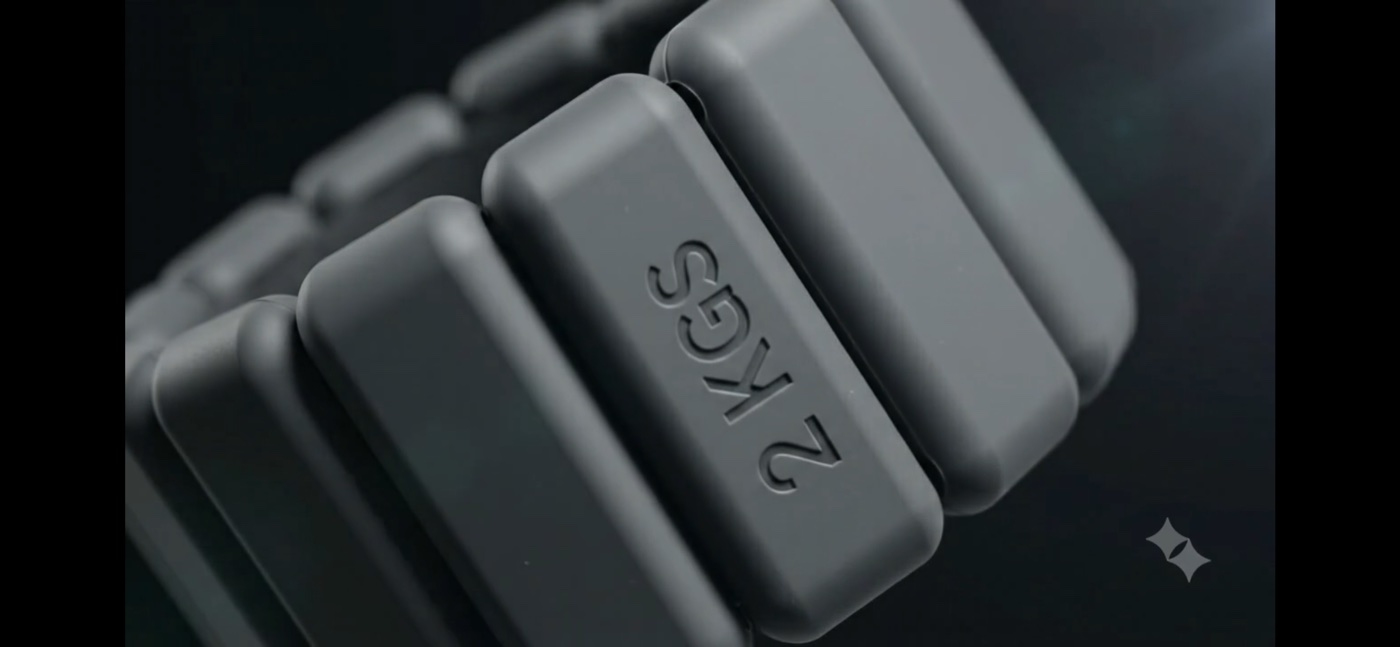
Light 2 kg wearable segmented wrist and ankle weights used as a physiotherapist-guided clinical movement toolRepresentative · 示意圖
02 · Western loading science

Light resistance. Progressive loading. Strength stimulus.

Physiotherapy adds graded external load and measured progression — the principles that build strength, bone loading and capacity.

Representative · 示意圖
03 · Physio-Qi integration

Slow movement, gently loaded — designed like physiotherapy.

Where suitable, light wrist or ankle weights are woven into the practice, so the same movement supports strength, balance, breath and confidence together.

Weighted movement is not suitable for everyone. Suitability, starting load and progression are physiotherapist-guided and based on individual assessment. Light resistance is added only where clinically appropriate; it supports — and does not guarantee — strength, balance and movement confidence.

Common questions

Physio-Qi Method — frequently asked questions.

What is the Physio-Qi Method?
The Physio-Qi Method is physiotherapist-designed Tai Chi and Qigong-informed therapeutic movement for balance, breath, body awareness, gentle strengthening and movement confidence. It is designed by an AHPRA-registered physiotherapist and delivered across Gold Coast aged care, retirement village and community settings.
How is Physio-Qi different from a regular Tai Chi class?
Physio-Qi is clinically reasoned and safety-screened therapeutic movement — not a casual community class. It translates Tai Chi and Qigong principles into physiotherapy language, is designed for every mobility level (seated, supported, standing and progression), and makes no qi-energy or cure claims.
Who is Physio-Qi suitable for?
Physio-Qi is adaptable for older adults, people with balance concerns or low movement confidence, retirement village and aged-care residents, and those with gentle-movement needs. Sessions are available at seated, supported standing, standing and progression levels.
Is Physio-Qi available through Home Care Package or NDIS funding?
In-home and private delivery may be available within funded aged care (Home Care Package), NDIS, or selected Private VIP pathways. Use the Find My Pathway tool to confirm your funding option.
Does Physio-Qi replace individual physiotherapy assessment?
No. Group, village, community and masterclass offerings are general and educational in nature. They support, and do not replace, individual physiotherapy assessment, diagnosis or treatment. All participants are safety-screened.
Is the Physio-Qi Method evidence-based and AHPRA-recognised?
Physio-Qi is designed and delivered by an AHPRA-registered physiotherapist within professional physiotherapy scope. It draws on research supporting Tai Chi and Qigong-informed movement for balance, falls-risk reduction support, breath regulation and quality of life. Individual results vary and no outcomes are guaranteed.
Does the Physio-Qi Method use weights or resistance?
Where clinically appropriate, GC Integrative can add light wearable resistance — such as 2 kg wrist or ankle weights — to Tai Chi and Qigong-informed movement. Starting load and progression are physiotherapist-guided and based on individual assessment. Light resistance is not suitable for everyone and supports, rather than guarantees, strength and balance.
Is weighted Tai Chi safe for older adults?
Light, graded resistance can be appropriate for many older adults when introduced by a physiotherapist after individual screening, often starting seated or supported. It is not suitable for everyone; suitability, load and progression are always guided by individual assessment.
Physiotherapist-led movement with an older adultRepresentative · 示意圖

Eastern wisdom, translated clinically.

We make no mystical claims. In the Physio-Qi Method, Qi is translated into the language clinicians and patients can both work with.

  • Breath & body awareness, diaphragmatic breathing and interoception
  • Autonomic regulation, calming the body’s own threat response
  • Balance & movement confidence, steadiness and graded exposure
  • Mind-body-breath integration, woven into evidence-based physiotherapy

Movement approaches such as tai chi and qigong are associated with improved balance and reduced falls risk in clinical research. Delivered here as evidence-informed, physiotherapy-led care within professional scope. Individual results vary.

The Physio-Qi Method is delivered by AHPRA-registered physiotherapists within professional scope. Group, village, community and masterclass offerings are general and educational in nature, and are not a substitute for individual physiotherapy assessment, diagnosis or treatment.

Bring the Physio-Qi Method to your people.