What cupping actually is
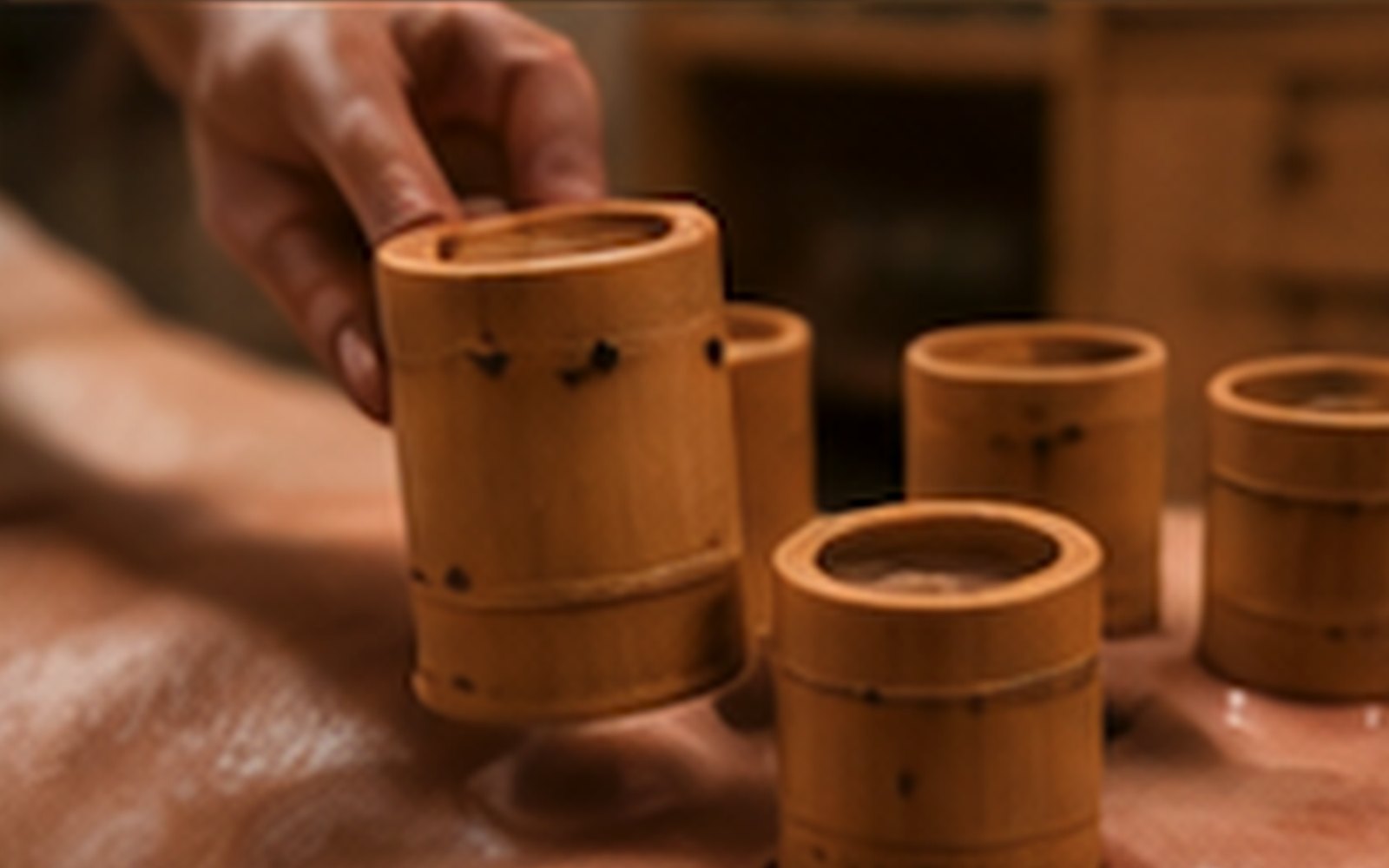
Cupping is a soft-tissue technique in which cups are placed on the skin to create gentle suction. That suction lifts and decompresses the skin and the tissue beneath it, which is a different sensation from the downward pressure of a massage. Traditionally the cups were glass or bamboo warmed to create a vacuum; today many practitioners use simple pump-action silicone or plastic cups that allow the suction to be controlled precisely.
There are two broad forms. Dry cupping — the only form relevant to physiotherapy practice — simply applies the cups to intact skin, sometimes with a little movement of the cup along the tissue. Wet cupping, which involves small skin incisions, sits outside physiotherapy scope and is not something we offer or recommend. When cupping is discussed on this page, we mean dry cupping used as a soft-tissue input.
The proposed mechanisms are still being studied. The most reasonable explanations centre on local effects — a temporary increase in blood flow to the area, a change in how the underlying fascia and muscle tissue glide, and a strong sensory input that may briefly alter how the nervous system interprets tension and pain in that region. These are plausible, modest, local effects. They are not evidence of anything mystical, and no responsible physiotherapist would frame them that way.
What the evidence actually says
Here is the measured picture. Cupping has been studied mostly for musculoskeletal pain — neck pain, lower-back pain, and some shoulder and knee complaints — and for a number of people it does appear to offer short-term relief. That is a genuine finding worth acknowledging.
At the same time, the systematic reviews that pool these studies reach a consistent conclusion: the individual trials tend to be small, they vary a great deal in method, and many carry a meaningful risk of bias. Taken together, that means the overall certainty of the evidence is generally rated low to moderate, and the reported benefits tend to be modest and short-lived rather than large or lasting.
There is also an honest methodological problem. It is very hard to design a convincing "fake" cup, so high-quality sham-controlled studies are limited. Because of that, it is difficult to separate any specific effect of the cups themselves from the effects that accompany almost any hands-on care — human touch, attention, a calm environment, the expectation that something will help, and the natural tendency of many aches to settle over time. Those effects are real and can be valuable, but they are not unique to cupping.
The balanced summary: cupping may offer modest, short-term relief for some musculoskeletal complaints, on low-to-moderate-certainty evidence. There is no credible evidence that cupping cures disease, "detoxifies" the body, or treats conditions beyond the musculoskeletal system — and we make no such claims.
This is exactly why we treat cupping as an adjunct — a possible helper alongside the things that carry stronger evidence in physiotherapy, such as graded exercise, movement retraining, education and confident self-management. It is a supporting act, never the headline.
How GC Integrative thinks about cupping
At GC Integrative, every technique earns its place through clinical reasoning, not fashion. We do not use cupping because it looks striking online; we consider it only when a physiotherapy assessment suggests it might genuinely support your plan for that session.
Within the GC Health Model, cupping sits in the first stage — Release. The Release stage is about easing protective tension and guarding so that the body feels safe enough to move. Cupping is one of several optional soft-tissue inputs we might draw on there, chosen for the individual in front of us. Crucially, it is always followed by active work: movement, breath, graded loading and the education that helps you understand your own body. Releasing tension is only useful if we then rebuild capacity and confidence on top of it — which is the whole point of the six-stage cycle that follows.
This is the same philosophy that runs through the Physio-Qi Method: Eastern-informed traditions are translated through Western physiotherapy assessment, safety screening and measured progress. Not East instead of West, and not West against East — one integrated, evidence-informed model delivered within AHPRA physiotherapy scope of practice.
Who cupping may suit
Cupping is not for everyone, and it is never assumed. It may be worth considering, after assessment, for people who:
- experience localised muscular tension or tightness that has not fully settled with movement alone;
- find firm downward massage uncomfortable but tolerate the different, lifting sensation of suction;
- are working through a musculoskeletal complaint and want a short-term way to ease guarding so they can move and exercise more comfortably;
- understand and are comfortable with the temporary marks cupping can leave.
Even then, cupping is offered as an option to discuss — not a prescription. Whether it is included, and how, depends entirely on your individual assessment, your preferences and your goals. Some people find it a useful adjunct; others do very well without it, and that is completely fine.
Safety and contraindication awareness
Responsible cupping begins with screening, not with the cups. Before any soft-tissue technique, an AHPRA-registered physiotherapist screens for red flags and for reasons a particular technique may be unsuitable. Cupping may not be appropriate — or may need to be modified or avoided — where there is:
- a bleeding disorder, or use of blood-thinning (anticoagulant) medication;
- fragile, broken, inflamed or infected skin over the intended area;
- an active skin condition, recent surgical site, or a skin cancer or unexplained lesion in the region;
- significantly reduced skin sensation, poor skin integrity, or fragile skin associated with some medical conditions;
- pregnancy — where certain areas are avoided and extra caution applies;
- a tendency to bruise easily, or any circulatory concern such as suspected deep-vein thrombosis.
Cupping also commonly leaves temporary circular discolouration where the cups sit. This is expected, is usually painless, and typically fades over several days — but you deserve to know it will happen before you decide. If anything about your health history suggests cupping is not the right choice, we simply do not use it and reach for a better-suited option. Suitability is always determined individually, and no outcome is ever guaranteed.
