Assessment, anatomy, biomechanics and measured progress.
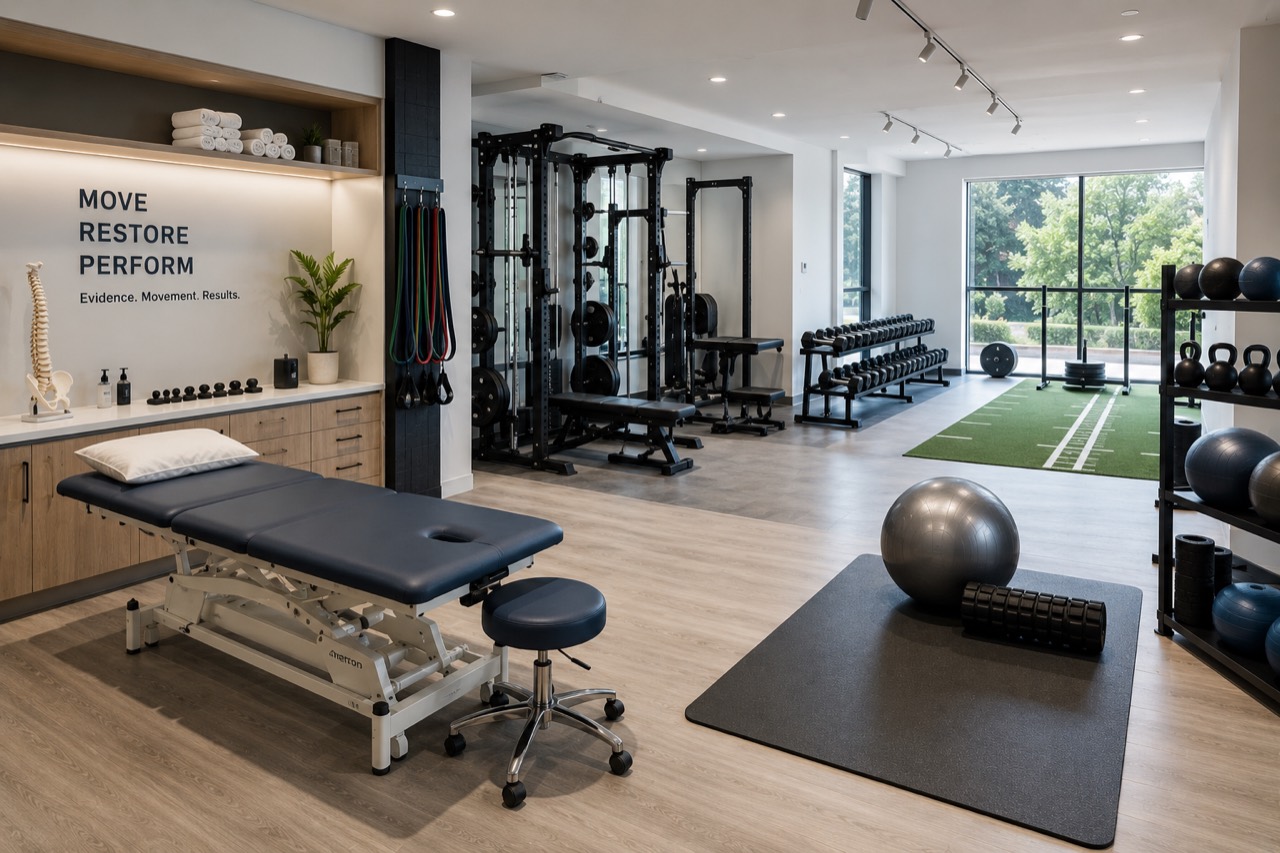
Western physiotherapy gives us assessment, anatomy, biomechanics, pain science, strength, mobility, balance, gait training, exercise prescription and outcome measurement.
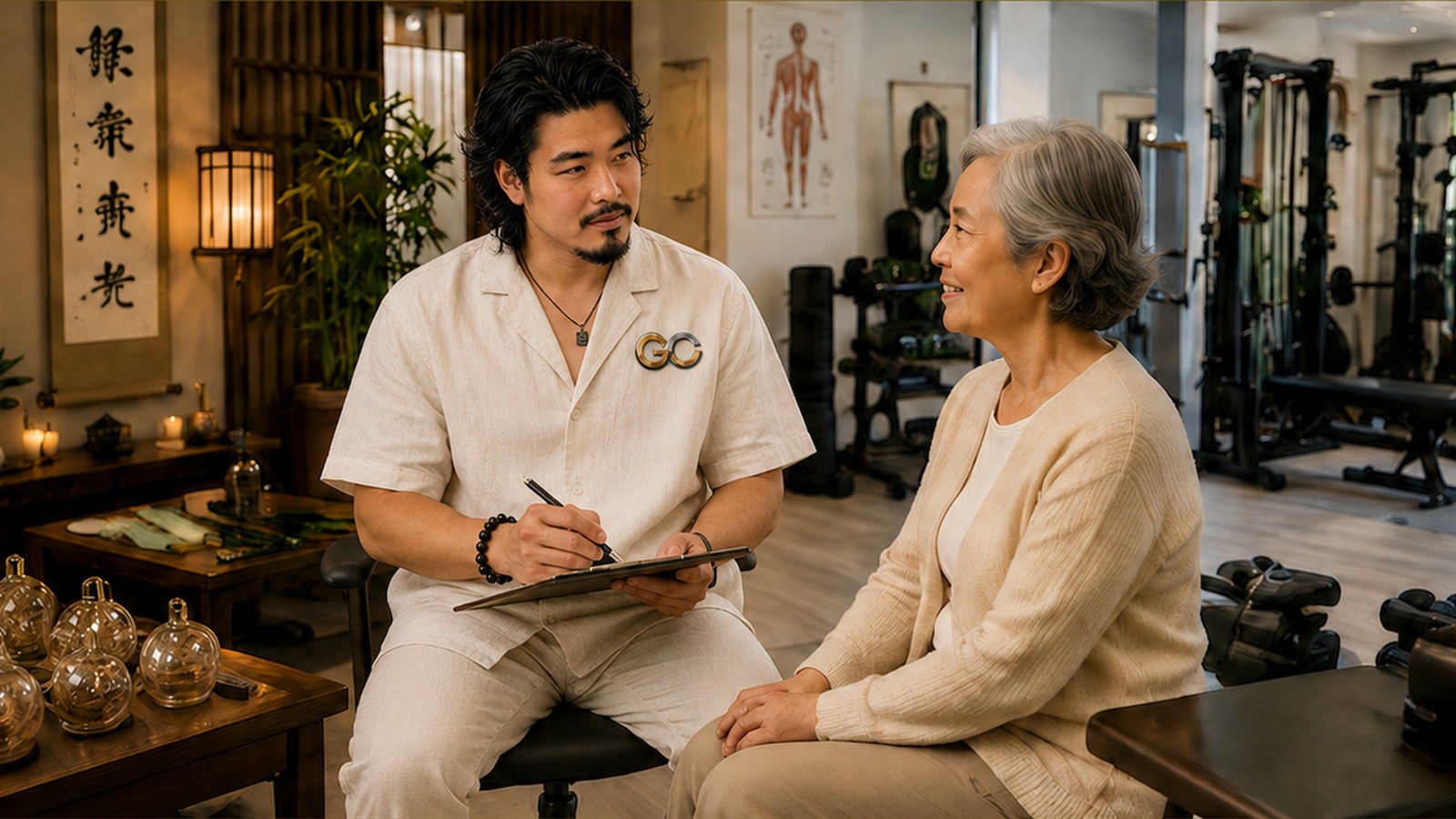
The GC Health Model
This is what makes GC different. We don’t choose between Eastern movement wisdom and Western clinical science, and we don’t layer one on top of the other. We integrate them into a single, physiotherapy-led method, where each completes the other.
Science is the language. Integration is the method. Greater freedom is the aim.
Developed by Gary Chen, AHPRA-registered physiotherapist and founder of GC Integrative Physiotherapy.
Western science asks what structure and function are affected. Eastern-informed practice asks how breath, regulation and lived experience are presenting. GC Integrative translates both into one whole-person, physiotherapy-led method.
The GC integration
Eastern traditions inform how we move, breathe and pay attention. They are evidence-informed adjuncts within physiotherapy, never stand-alone treatments or energy claims.
The two worlds we integrate
Not East instead of West. Not West against East. GC Integrative translates both — through physiotherapy assessment, clinical reasoning and safety screening.

Western physiotherapy gives us assessment, anatomy, biomechanics, pain science, strength, mobility, balance, gait training, exercise prescription and outcome measurement.
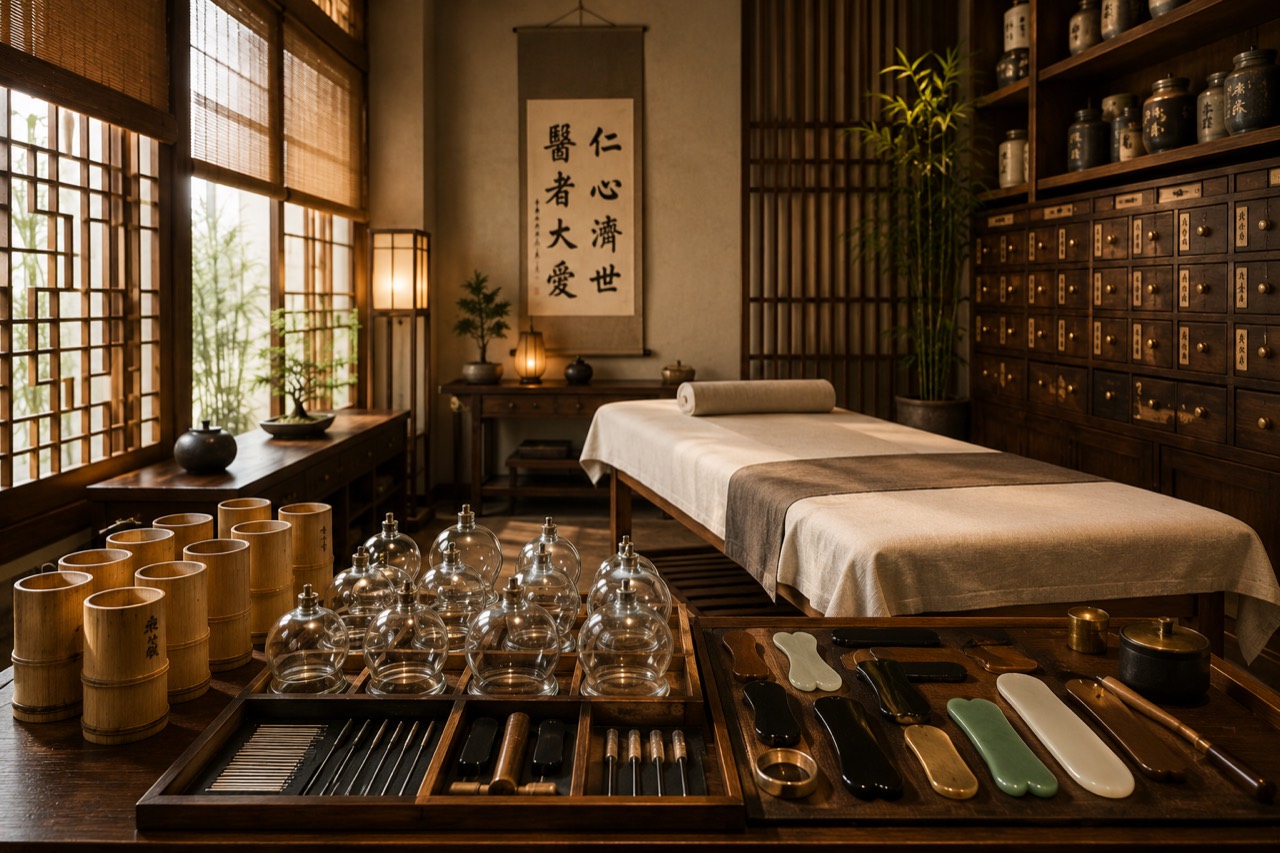
GC Integrative translates both worlds into one physiotherapy-led model: clinically reasoned, safety-screened, measured and whole-person.

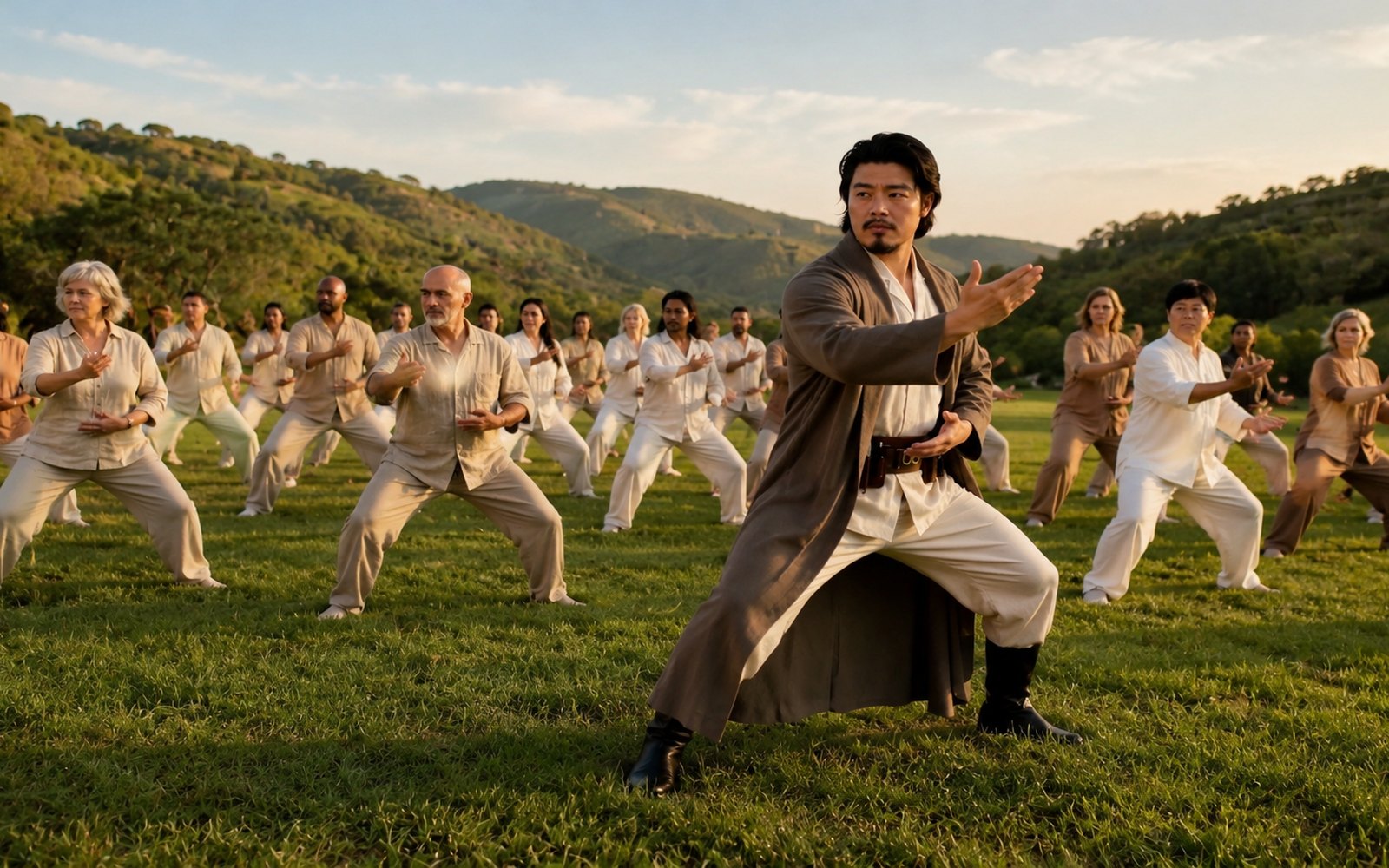
Eastern traditions offer a body-language of breath, rhythm, touch, warmth, slow movement, body awareness, flow and regulation, translated through physiotherapy.
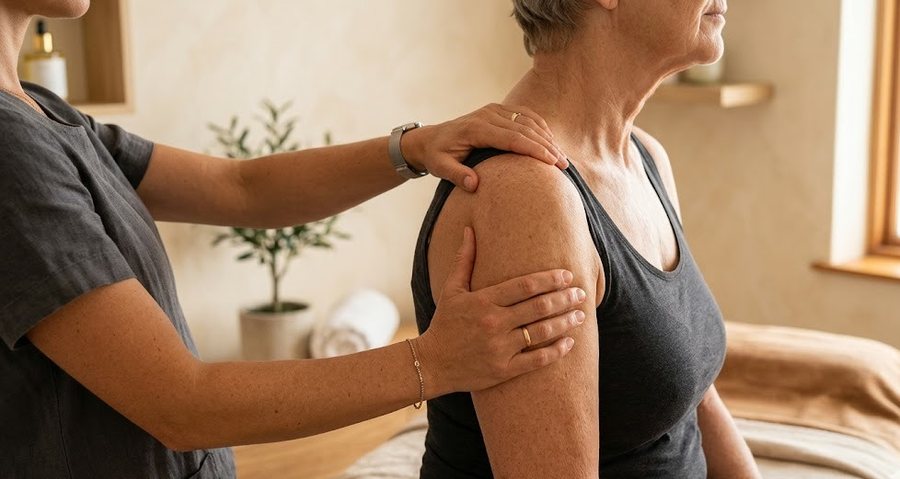
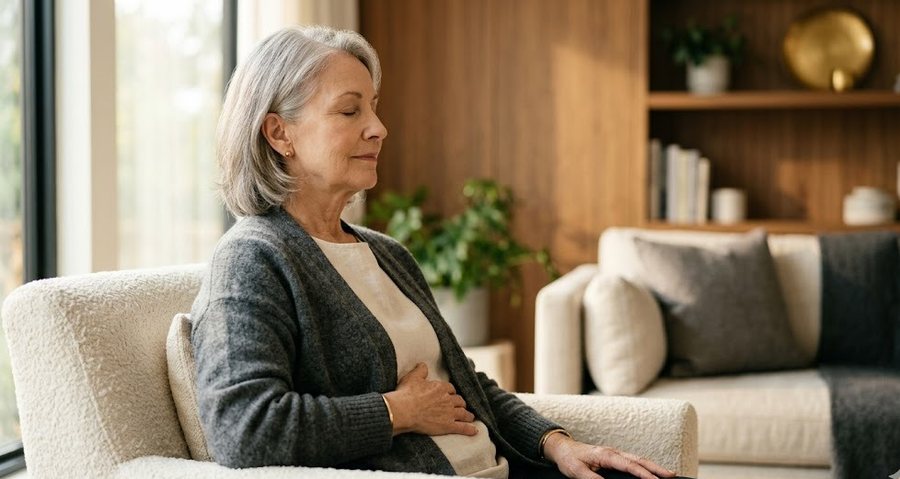
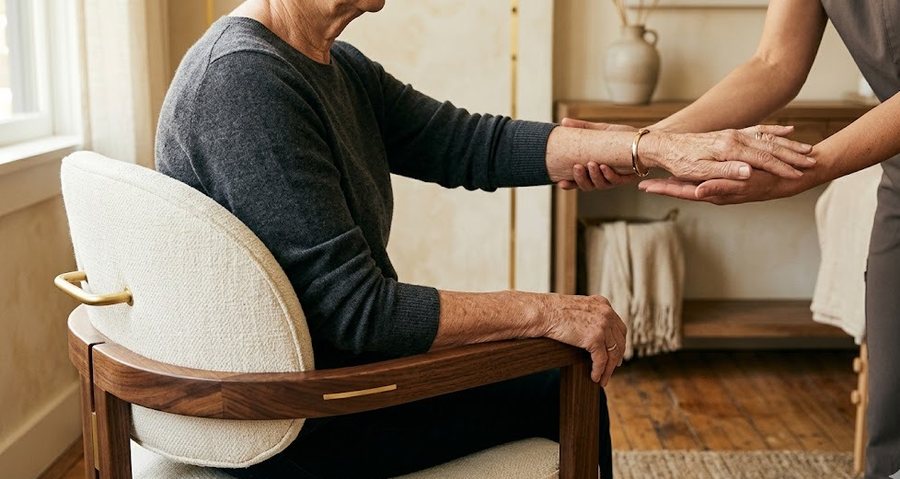
Some visuals are representative images created for illustration and privacy protection. They do not depict real patients, testimonials, treatment outcomes or guaranteed results.
部分視覺畫面為保護隱私與示意用途所製作,並非真實病人見證、治療結果或療效保證。
Clinical translation
你是否在網路上看過這些療法?我們用物理治療語言重新理解它們。
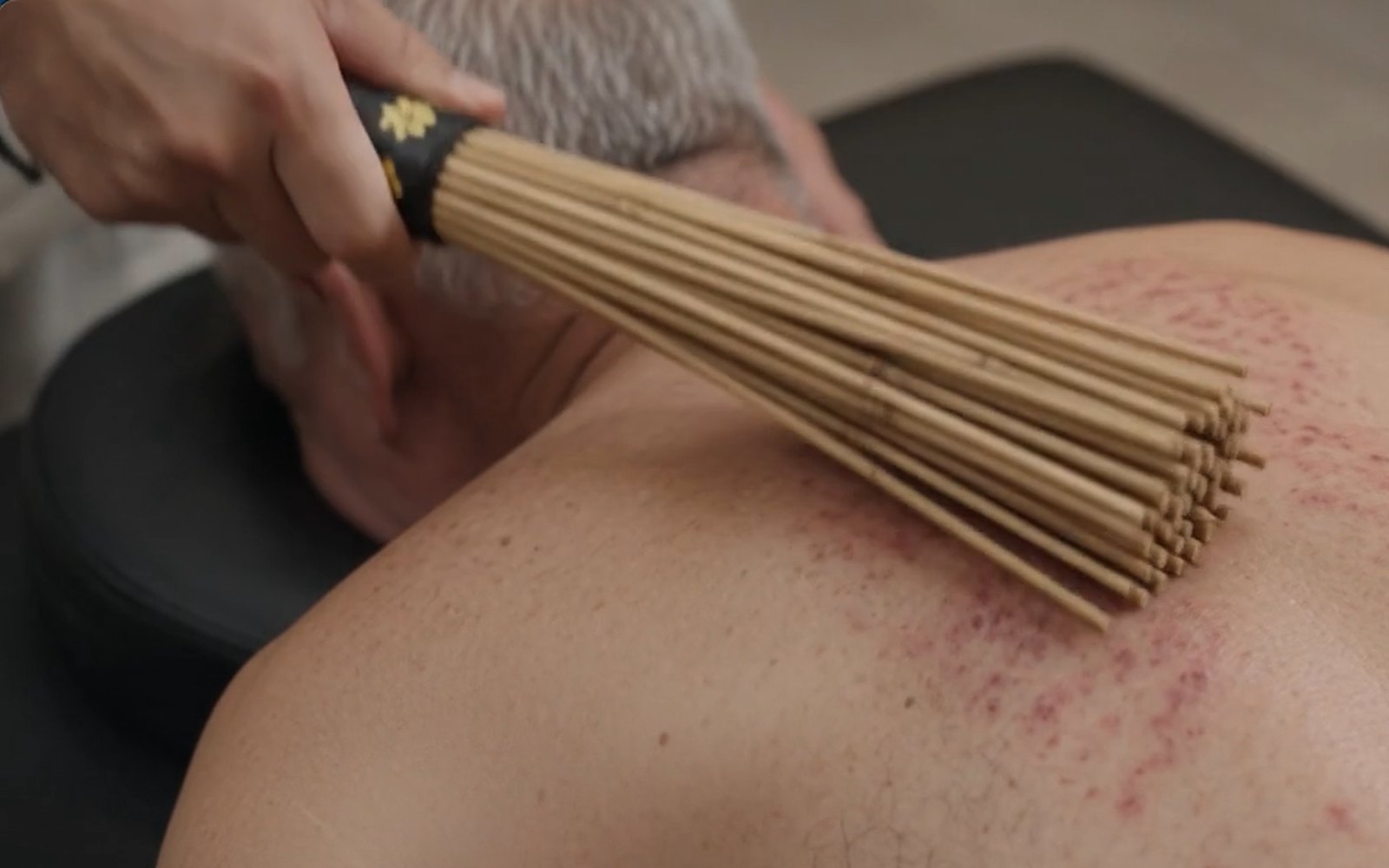
You may have seen tapping, cupping, gua sha, Tai Chi and Qigong across social media.
At GC Integrative, we do not use these methods as trends.
We translate Eastern-informed therapeutic traditions through physiotherapy assessment, clinical reasoning, safety screening, movement education and measured progress.
Not East instead of West. Not West against East. Integrated care.
These visual examples are general education only. Individual assessment is required to determine suitability. Results vary, and no outcome is guaranteed.
The physical, measurable body, movement, strength, mobility, load tolerance and tissue capacity. The rehabilitation side: graded exercise, hands-on care where appropriate, and a clear plan to rebuild what daily life asks of you.
Includes: movement assessment · strength & mobility · graded loading · gait & balance · functional tasks.
How the body settles and paces itself, breathing, body awareness and the easing of protective tension. As part of physiotherapy care, this helps movement feel less threatening, so progress can stick.
Includes: breathing & pacing · body awareness · easing guarding & stiffness · confidence with movement.
The science of regulation
Stress, fear, grief, pain and overload can influence muscle activity, guarding, breath pattern, pain sensitivity and movement confidence. Easing that protective state helps movement feel safer.
Slower, fuller breathing and pacing support the body’s own settling response, calmer breath, less bracing, steadier movement, woven into physiotherapy care.
Interoception, the sense of your own internal body state, links awareness, pain perception, breath, self-regulation and confidence with movement. We train it through graded, attentive practice.
This is evidence-informed physiotherapy. We do not treat anxiety, depression, PTSD or psychiatric conditions, and we do not claim that tissue work “releases” stored emotion or trauma; where those needs arise, we refer to the right professionals.
Physiotherapy is where the two traditions meet.
The integration in motion, from easing protective tension to handing back the confidence to self-manage. Each stage is a focus of care, not a fixed timeline.
Short treatment translation visual
This short representative clip shows how familiar Eastern-informed bodywork visuals are framed through physiotherapy assessment, safety screening, body awareness and measured progress. It is not a treatment outcome or guarantee.

Gentle hands-on care, mobility and education help reduce protective tension so movement can feel safer.

Breath, pacing and body-awareness practice support calmer movement within physiotherapy care.

Low-threat movement rehearsal builds confidence before heavier strengthening or daily-life challenge.

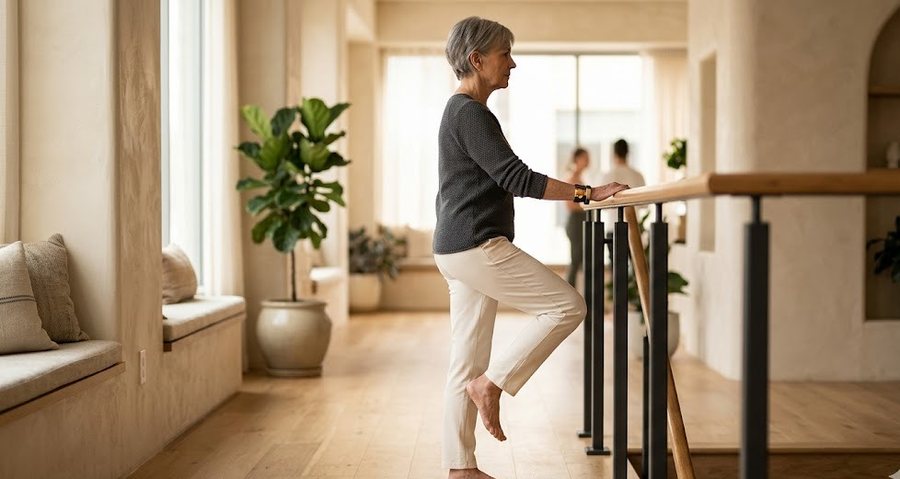
Supported balance, weight-shift, gait and strength work help build steadiness and falls confidence.

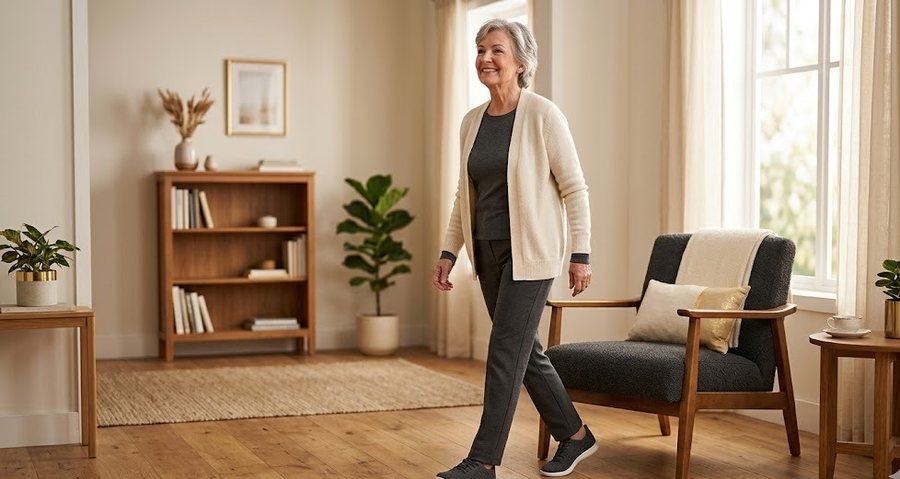
Movement gains are connected into walking, standing, lifting, daily tasks and real home routines.

A home plan, flare-up plan and review pathway support self-management, independence and discharge readiness.
Pre-Pattern → Balance → Integrate
First we build safe movement. Then we build control. Where appropriate, we add load — helping the body turn slow movement into strength, balance and confidence.
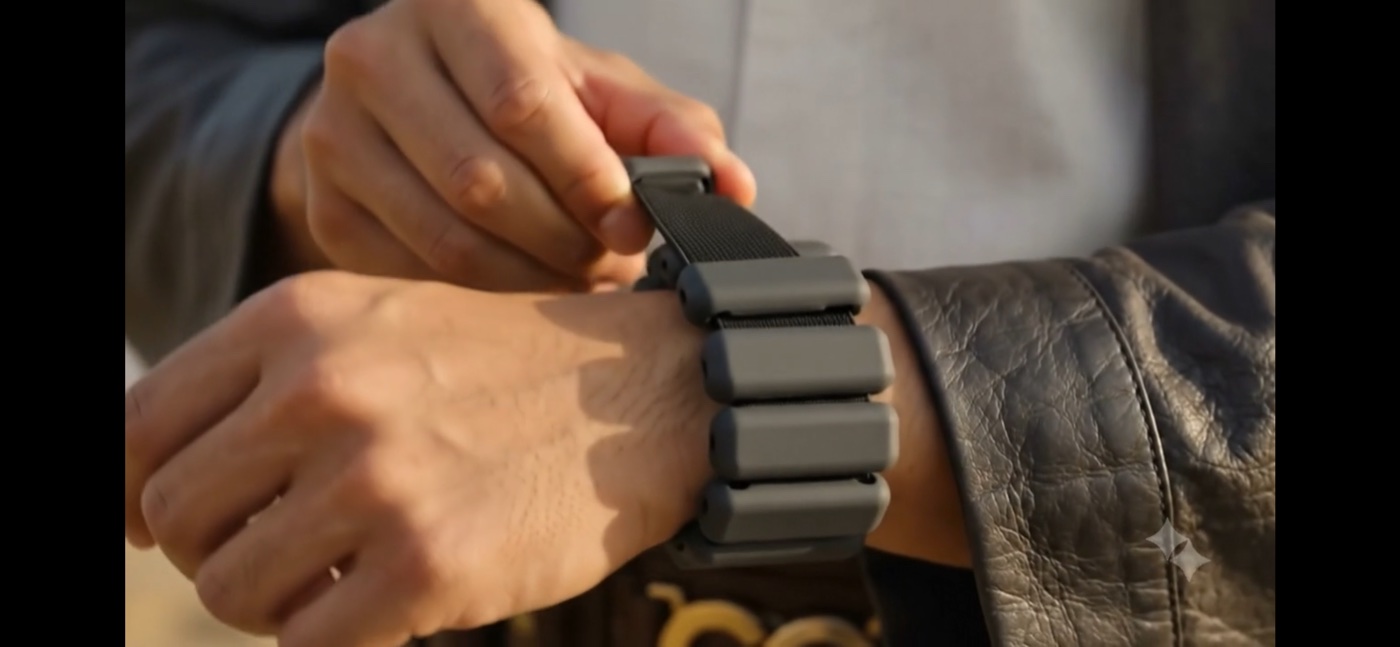
In the later stages of the cycle, the Physio-Qi Method can introduce light, physiotherapist-graded resistance — such as wearable wrist or ankle weights — to Tai Chi and Qigong-informed movement, where clinically suitable. See how this works in practice →

What it supports
The GC Health Model is most commonly applied to:
What changes
Outcomes are individual and subject to assessment. Care is outcome-measured: we set goals in your words, measure a baseline, and re-check over time.
Common questions
Your assessment maps your goals to the six-stage model, so your plan is built around the life you want to get back to. No obligation, just a clear first step.